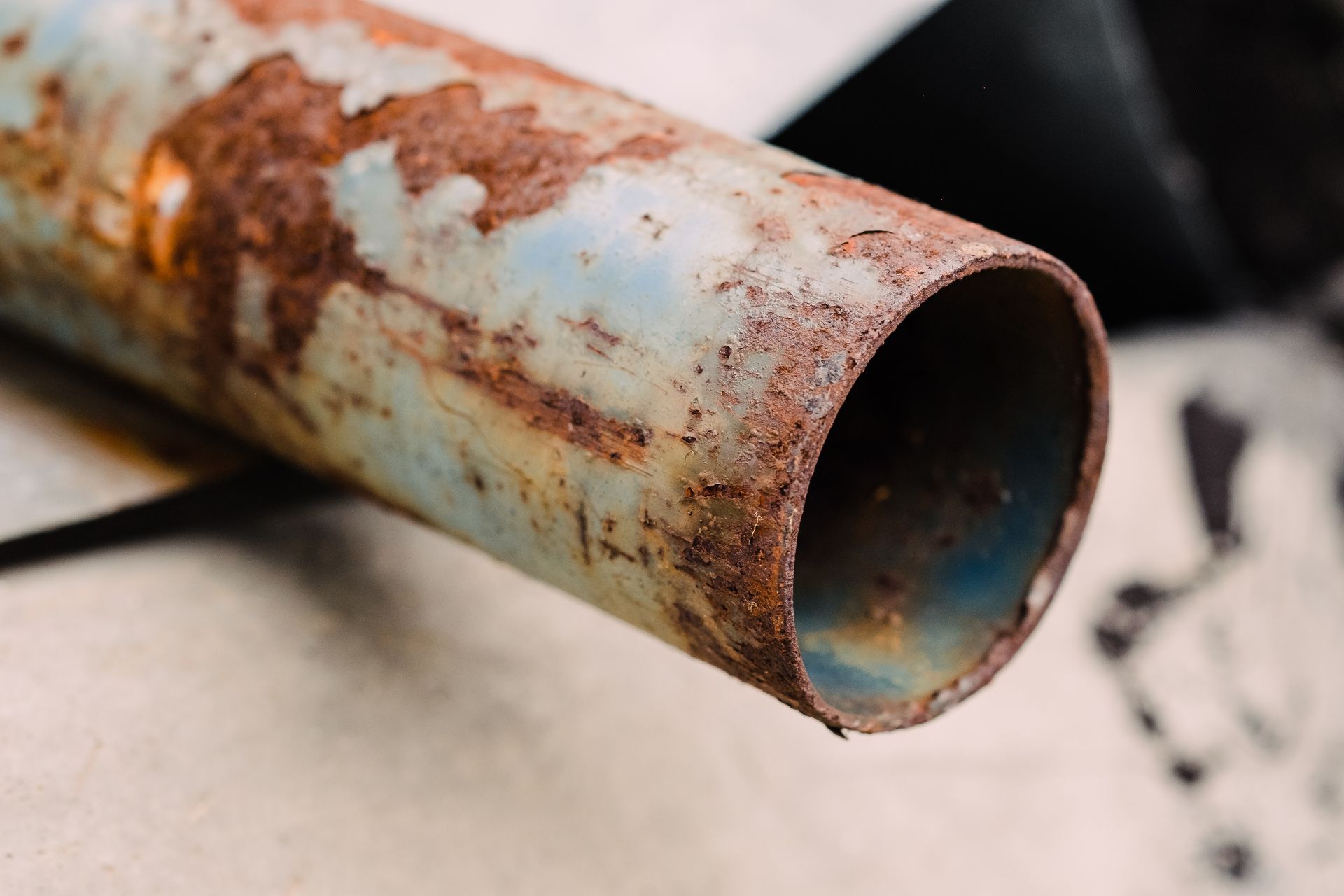
Wet season plumbing problems are common in Townsville. Supreme Plumbing & Waste Water offers expert local service. Request a free quote today.
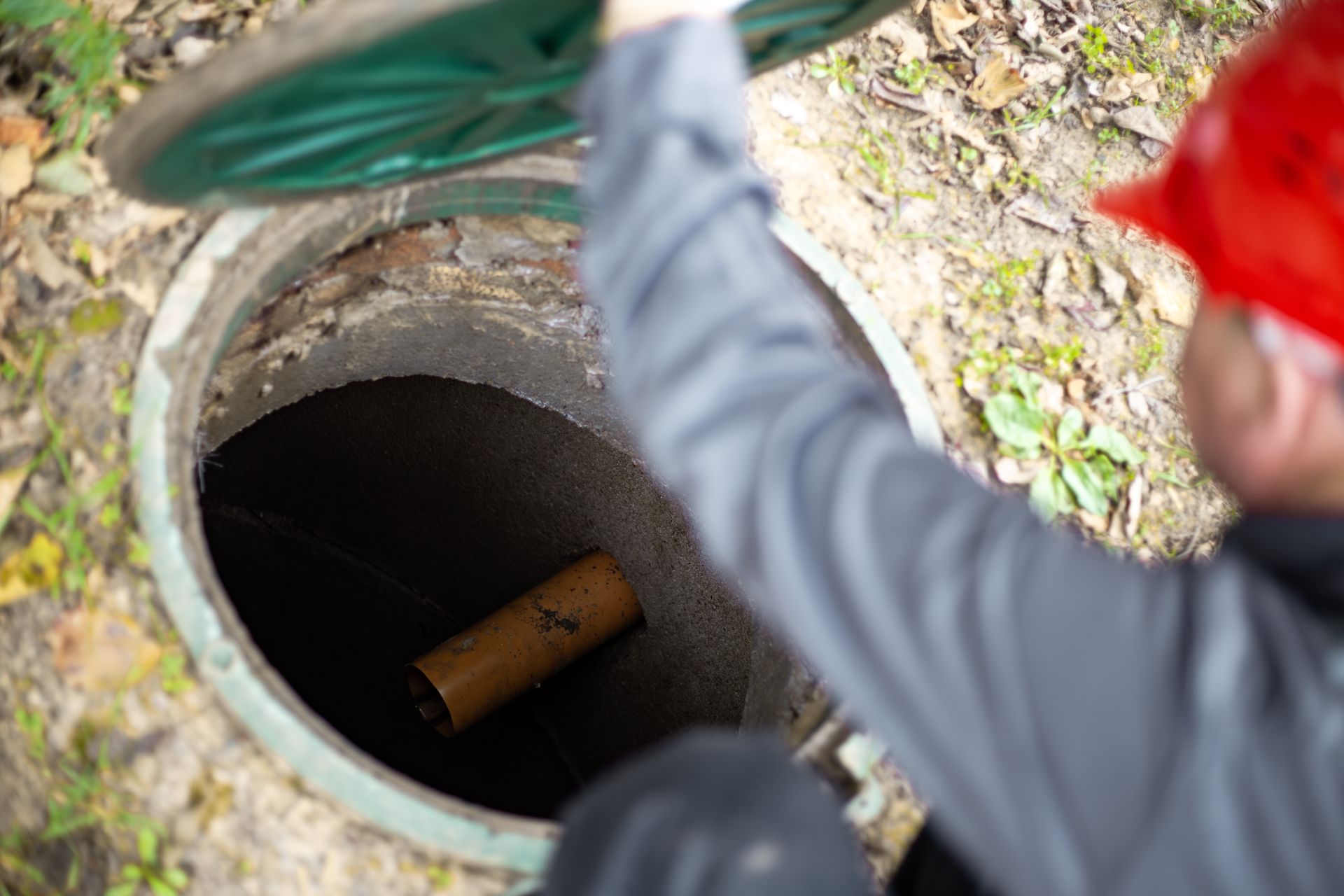
Learn the signs you need to call for septic tank repair. Supreme Plumbing & Waste Water serves Ayr, QLD. Get a free quote today.
Local City Council Regulations: Townsville City Council All plumbing and drainage work across Queensland is strictly categorised by state government legislative frameworks into permit work, notifiable work, minor work, or unregulated work. The installation, substantial modification, or complete structural replacement of an on-site sewage facility is explicitly classified as permit work. This means that the project cannot legally begin on your land until the Townsville City Council hydraulics unit formally reviews your engineering plans and issues a compliance permit for the proposed infrastructure. To secure this mandatory permit, a property owner or their licensed drainage professional must submit a formal Form 1 application for plumbing, drainage, and on-site sewerage work, accompanied by a comprehensive site drainage design plan. The local city council does not design these systems or draft technical drainage plans for you; it is entirely the owner’s responsibility to engage a certified practitioner to assess the land and outline the structural specifications. Once your application is officially lodged, council officers assess the hydraulic and organic loading metrics to ensure the system matches your household size and environmental conditions. Crucially, all permit plumbing and drainage works that reside below ground must undergo mandatory testing and inspection by council officers before the earth is backfilled. It is the statutory obligation of your chosen licensed professional to book these milestone assessments to ensure the facility meets local codes before final sign-off. Queensland State Regulations and Compliance While the local city council acts as the immediate assessing and inspecting authority, their regulatory framework is anchored in overarching Queensland State legislation. The core legal instrument governing these works is the Plumbing and Drainage Act 2018. Under this Act, anyone designing, installing, modifying, or replacing an on-site sewage facility must hold the appropriate occupational licensing issued by the Queensland Building and Construction Commission . According to state guidelines, executing structural plumbing or drainage work without an active, endorsed trade licence is a severe offense. Additionally, all replacement systems must satisfy the strict performance criteria outlined in the Queensland Plumbing and Wastewater Code. This code dictates the technical standards for effluent quality, system design life, and product certifications. If you choose to transition from a basic primary septic setup to an advanced secondary treatment system, the specific manufacturing plant model must hold an active treatment plant approval from the state department. These multi-layered regulations ensure that domestic waste does not compromise public health or contaminate regional groundwater tables. Deciding on the Replacement System Type Executing a septic tank replacement provides an excellent opportunity to reassess your property’s long term wastewater needs . You are not automatically restricted to installing an exact replica of your old infrastructure; in fact, environmental updates or household growth may require a completely different technology choice. Conventional Septic Systems The traditional conventional system consists of a watertight concrete or polyethylene tank where solids settle to the bottom as sludge while fats rise to the surface as scum. The remaining liquid effluent flows by gravity or pump out to subsoil absorption trenches. While reliable and highly cost-effective, these systems rely entirely on natural biological processes and require free-draining, high-quality soil profiles to function correctly. Aerated Wastewater Treatment Systems (AWTS) An AWTS functions as a miniature, automated sewage treatment plant located directly on your property. These units utilise mechanical aeration blowers to support aerobic bacteria, which break down organic waste far more efficiently than anaerobic passive tanks. The water is subsequently disinfected using chlorine or ultraviolet light, allowing the treated effluent to be safely recycled for surface or subsurface garden irrigation. This is an ideal solution for sites with heavy clay soils or high water tables, though they require a higher initial capital investment and ongoing electricity to operate. Sand Filters and Alternative Biological Systems For environmentally sensitive allotments near natural watercourses or areas with restricted space, a sand filter system can be paired with your primary tank. The effluent passes through a specialised sand bed that filters out pathogens and excess nutrients before the water enters the disposal area. Alternatively, sustainable worm farms or reed beds use natural biological filtration methods to treat effluent, minimising chemical reliance while producing high-quality liquid fertiliser. Caring for Your New Septic Tank: Ongoing Maintenance Once your new system is installed and the final compliance certificates are issued by council inspectors, the operational responsibility shifts entirely to the homeowner. A septic tank is a living biological ecosystem that relies on delicate bacterial colonies to neutralise waste safely. Proper care ensures you avoid premature failures or a sudden emergency plumbers commercial plumbing Townsville crisis response if lines back up into your home. Regular Pumping and De-sludging Over years of continuous domestic use, heavy, un-decomposed solids settle at the bottom of your tank. If this sludge layer is neglected, it accumulates to a critical level where it escapes the primary chamber and flows into your land application area, permanently blocking soil pores and destroying your absorption field. To prevent this irreversible damage, properties must engage a licensed specialist for a professional septic pump out and cleaning every three to five years, depending on your household size. Following this service, your contractor must provide council-compliant documentation to verify your property obligations have been met. Chemical Discipline and Household Habits Homeowners must be disciplined regarding what enters their wastewater lines. Flushing harsh chemical cleaners, heavy bleaches, anti-bacterial agents, or commercial solvents down your toilets kills the beneficial bacteria colonies instantly, causing the tank to fail and emit severe foul odours. Additionally, you must never flush non-biodegradable items like sanitary napkins, wet wipes, or paper towels, as they cause immediate structural pipe obstructions. For properties managing high-volume culinary setups, executing robust grease trap cleaning is critical to prevent cooking fats from solidifying inside your drainage lines. Managing the Disposal Field The land application zone or irrigation field must be respected as an active plumbing utility zone. You should never drive heavy vehicles, park machinery, or erect structures over the disposal trenches, as excessive weight will collapse underground plastic arches, break distribution pipes, and compact the surrounding soil. Keep the area clear of deep-rooted trees, as invasive roots can rupture tank seams and clog subsoil lines, causing systemic drainage failure across the property. This protective approach mirrors the preventative steps outlined in our guide to The Emergency Plumbing Golden Hour , where rapid containment and proactive asset management prevent devastating structural damage. Average Replacement Costs and Timeframes Executing a compliant septic tank replacement involves a multi-stage cost structure covering engineering, municipal permitting, civil excavation, and technical plumbing labor. Estimated Project Cost Breakdown The overall financial commitment varies based on your land’s specific soil constraints and the complexity of the treatment technology selected. Pre-Construction and Permits: Expect to pay between $1,500 and $3,000* for soil testing, engineering designs, and Townsville City Council permit application fees. Conventional Replacements: A standard system replacement for a three to four bedroom residential home typically ranges from $8,000 to $15,000* for the tank and absorption trenches. Advanced Treatment Systems: Installing a new AWTS unit with specialised surface or subsurface irrigation lines often exceeds $20,000 to $30,000* once excavation and electrical connections are factored in. Material Variations: Polyethylene tanks represent a highly cost-effective option, ranging from $500 to $1,500* for hardware alone, while heavy-duty reinforced concrete or commercial-grade tanks can range from $3,000 to $10,000* excluding site delivery and placement fees. * These are Estimates ONLY and Require a Proper Quote from Supreme Plumbing and Waste Water Before Work Begins. Installation Timeframe Realities The physical on-site work required for a septic tank replacement is highly efficient when managed by an expert team, typically taking between 3 to 7 days to complete. This time includes mechanical excavation, old tank decommissioning, new hardware placement, precision pipework routing, and final surface restoration. However, homeowners must budget for the administrative pre-construction phase. Soil testing, engineering drafts, and the official council permit assessment process can take anywhere from 2 to 6 weeks to complete, meaning forward planning before any active site development is essential. Key Features of Professional System Replacement Full Council Permit Management – Our professional replacement services handle the entire administrative process, from compiling initially required site evaluations to securing final compliance permits from local authorities. Licensed Professional Workmanship – All excavation, pipework, and structural connections are executed by qualified practitioners holding active trade credentials issued by the Queensland Building and Construction Commission . Custom Land Capability Designs – Every replacement system layout is custom engineered to match your property’s specific soil absorption rates, boundary constraints, and environmental layouts for long term structural stability.
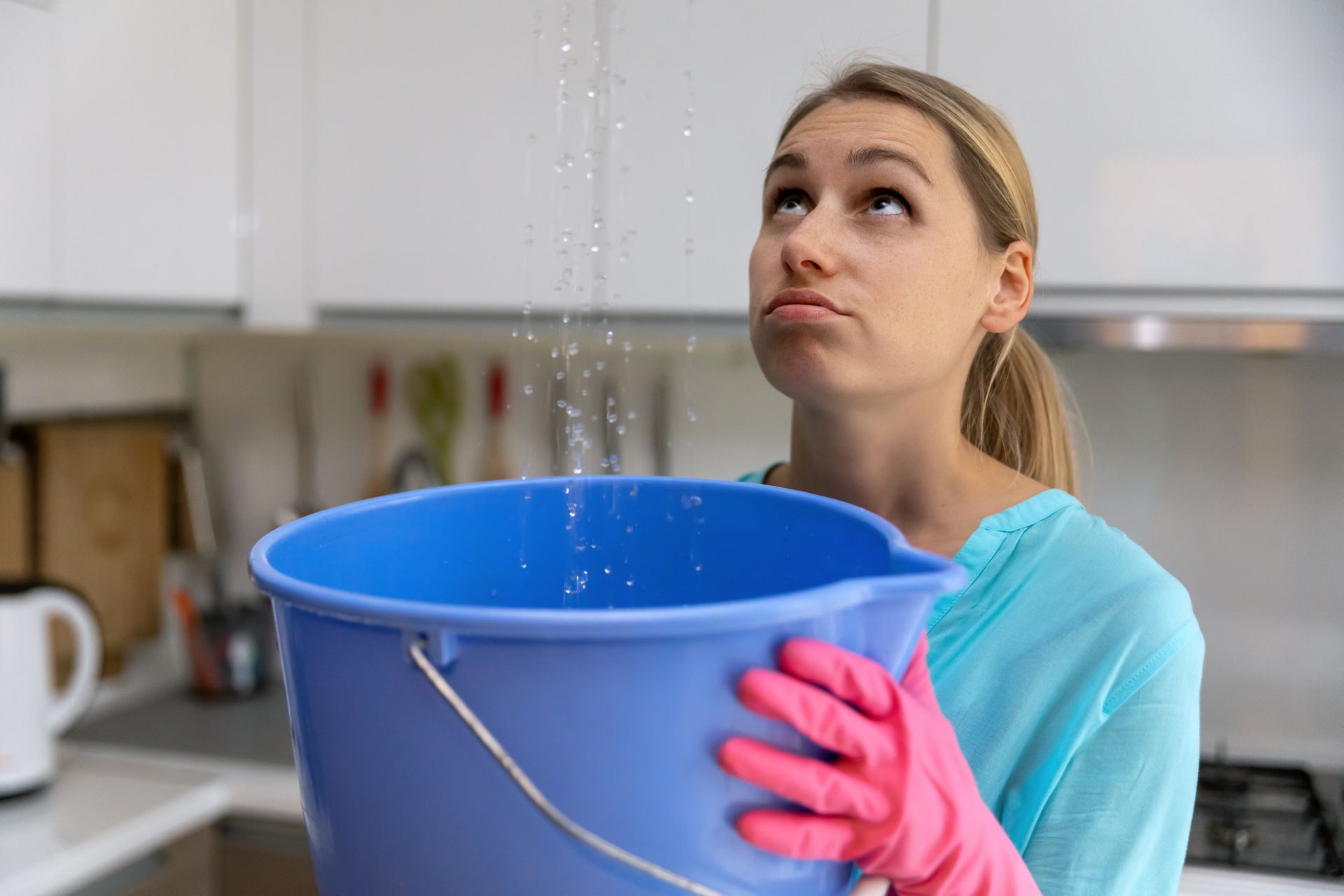
In North Queensland, a home’s roof is the primary barrier against high-intensity monsoonal rain and severe tropical cyclones. Maintaining this structural barrier is essential, as even minor vulnerabilities can lead to significant internal damage during extreme weather events. For residents in areas like Kirwan , Burdell , and Annandale , understanding the most common roof repairs and the restoration process is key to ensuring property longevity and safety. A specialised roof plumber Townsville expert focuses on the entire water catchment system, providing a unique perspective on drainage and structural integrity that general roofers may lack. From detecting hidden leaks to upgrading cyclone tie-downs, professional roofing services address the root causes of damage to prevent costly secondary issues like mould or structural rot. 1. Leaking Roof Repairs and Detection Roof leaks are one of the most urgent repairs required by homeowners in the tropics. Identifying the exact source of a leak is often complex because water can enter through a minute gap and travel several metres along internal battens before dripping onto a ceiling. Professional roof leak repairs Townsville wide utilise advanced diagnostic techniques, specifically focusing on hidden leak detection to pinpoint invisible water entry points. Common failure points for leaks include: Flashings, Valleys, and Vents : These are the most frequent locations for hard-to-find leaks. Perished Washers : On metal roofs, the rubber washers on roofing screws can degrade over time, allowing water to seep into the roof cavity. Solar Panel Fixings : Incorrectly installed or aged fixings for solar arrays can create new entry points for water. Addressing these leaks immediately is vital to mitigate salt air and humidity damage through rust and corrosion control. 2. Broken and Cracked Roof Tile Replacement On tiled roofs, individual broken or cracked tiles are a leading cause of water ingress. While a single damaged tile might seem minor, it exposes the underlying roof lining and timber structure to moisture. In Townsville, these repairs often involve more than just swapping the tile; they require an inspection of the roof lining repairs Townsville needs to ensure the internal barrier remains intact. Cracked tiles can be caused by: Severe Weather : Hail or wind-borne debris during storms. Foot Traffic : Improperly walking on the roof during maintenance or solar installations. Material Fatigue : Natural degradation of older tiles over decades of exposure to harsh UV rays. For minor sealant repairs of a single tile, costs are relatively low, but ignoring the issue can lead to extensive water damage costing thousands. 3. Roof Repointing and Rebedding Repointing is a critical restoration task for tiled roofs. The “bedding” is the mortar that holds ridge caps in place, while “pointing” is the flexible material applied over the bedding to create a water-tight seal and provide additional structural strength. Over time, the original mortar bedding can crack or shrink, leading to loose ridge caps that are easily dislodged during high-wind events. Restoration involves: Rebedding : Removing old, crumbling mortar and replacing it with fresh cement. Repointing : Applying a modern, flexible pointing compound that expands and contracts with the temperature, preventing the cracks that plague traditional mortar. 4. Gutter Cleaning and Full Re-Guttering Gutters and downpipes are essential components of a roof’s drainage system. In high-density housing areas like Burdell , efficient stormwater management is necessary to prevent runoff issues between neighbouring properties. Clogged or undersized gutters can lead to gutter blockages and flooding , causing water to back up into the eaves and foundations. Signs you need gutter attention: Slow Drainage : Sinks or downpipes draining slowly often indicate a blockage in the roof-to-stormwater flow system. Rust and Corrosion : Especially in coastal environments like South Townsville or Pallarenda , salt air accelerates metal fatigue in guttering. Foundation Issues : Water overflowing from gutters can saturate the soil around your house, leading to structural shifts. A professional roof plumber Townsville specialist will provide an honest assessment, deciding between a minor repair or a full gutter replacement using deep-profile, cyclone-compliant materials. 5. Cyclone-Rated Upgrades and Restorations In North Queensland, roof restoration often includes upgrading the structure to meet Wind Region C compliance . This involves Cyclone Uplift & Tie-Downs , which secure the roof to the house frame to prevent it from being lifted during a severe storm. For homeowners in older suburbs like Rosslea or Oonoonba , original roofing may not meet modern standards. Under the Household Resilience Program , eligible coastal homeowners can secure up to $15,000 in funding for safety-compliant roof upgrades, including re-roofing with premium Colorbond steel. Average Costs and Timeframes for Repairs The cost and duration of roofing work vary significantly based on the extent of the damage and the materials used.
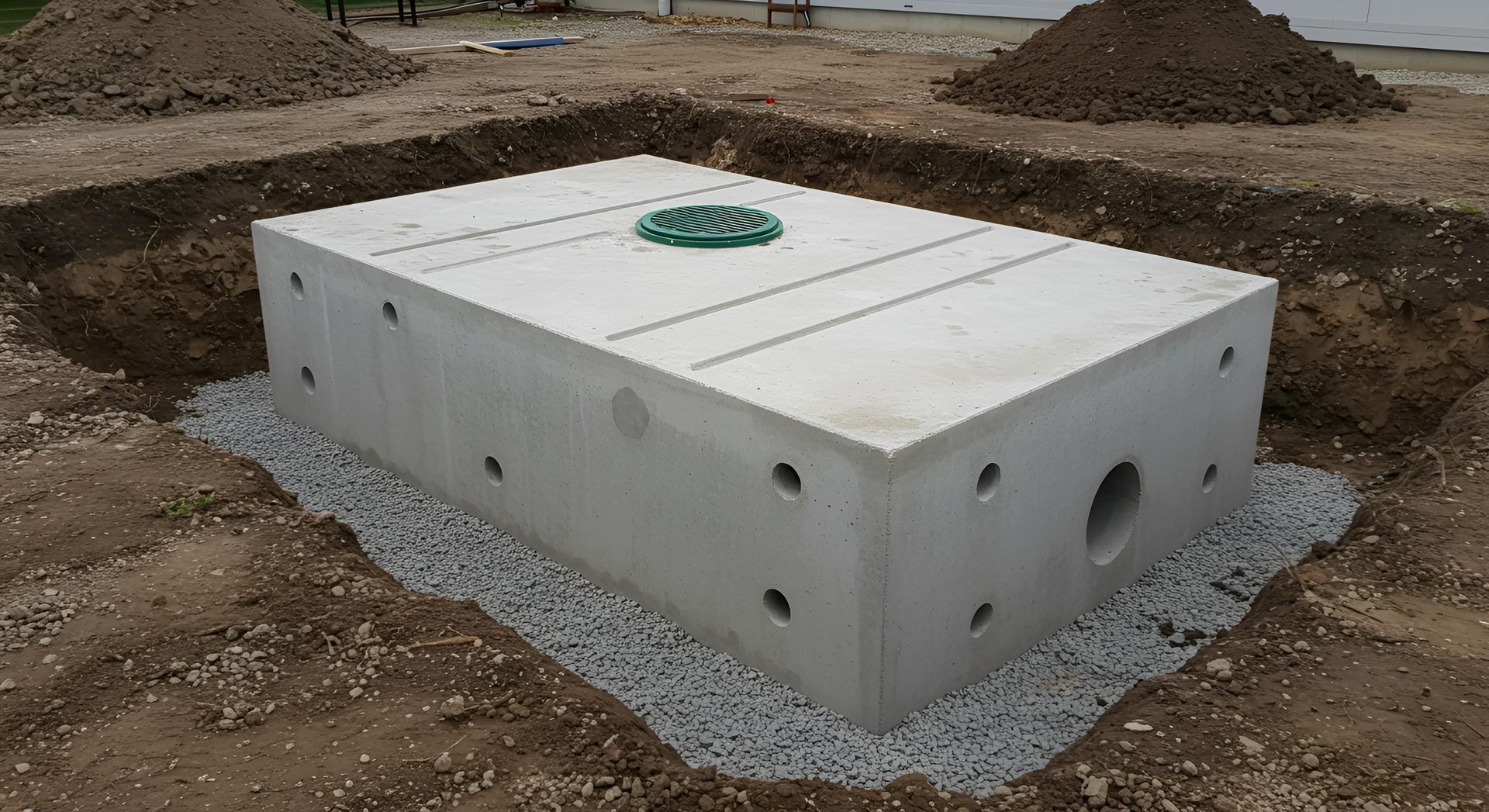
For homeowners residing in regional North Queensland areas such as Alice River or Black River , the management of household waste is a critical infrastructure requirement. Unlike urban centers connected to municipal sewerage, properties in Alligator Creek or Bluewater rely on on-site sewage facilities to safely process blackwater and greywater. Choosing the right septic tank system is not just about waste disposal; it is about protecting the local environment and ensuring long term property value. Understanding the various types of septic tank systems available in Australia is the first step toward a successful installation or a necessary Septic Tank Replacement . Modern on-site wastewater management has evolved significantly from the basic concrete tanks of the past. Today, homeowners can choose from passive systems that rely on natural biological processes or advanced mechanical units that treat water to a secondary standard. Each system has specific requirements for soil types, property size, and maintenance schedules that must be strictly followed to remain compliant with local regulations. Understanding the Various Types of Septic Tank Systems In Australia, the choice of a wastewater system is often dictated by the land’s capability to absorb effluent. The following systems are the most common configurations found on residential properties. 1. Conventional Septic Systems The most traditional setup consists of one or two watertight tanks where solids settle to the bottom as sludge while fats and oils rise to the surface as scum. The remaining liquid, or effluent, flows by gravity or pump to absorption trenches. These trenches are usually filled with aggregate and allow the liquid to soak into the soil, where natural bacteria provide further treatment. While reliable, these systems require high quality, free draining soil to function correctly. 2. Aerated Wastewater Treatment Systems (AWTS) An AWTS is essentially a miniature sewage treatment plant located in your backyard. These units use mechanical aeration to support aerobic bacteria, which break down waste more effectively than anaerobic passive tanks. The water is then often disinfected with chlorine or ultraviolet light, allowing it to be used for surface or subsurface irrigation in designated garden areas. Because they rely on power and mechanical parts, these systems require a higher degree of septic system services to ensure they remain functional. 3. Sand Filter Systems For sites with poor soil or restricted space, a sand filter system provides an extra layer of treatment. Effluent from a standard tank is passed through a specially designed sand bed, which filters out pathogens and nutrients before the water is discharged to the environment. These are excellent for environmentally sensitive areas near waterways. 4. Alternative Biological Systems Worm farm systems and reed beds are gaining popularity as sustainable alternatives. Worm farm systems use microorganisms and worms to naturally break down organic waste, producing high quality liquid fertilizer. Reed beds use constructed wetlands to filter effluent through gravel basins planted with specific vegetation, using the root systems to oxygenate the water and remove contaminants. Considerations for a New Septic Tank Townsville Installation When planning for a new septic tank Townsville project, several technical factors must be considered to ensure the system is fit for purpose. Soil Type and Absorption: The drainage characteristics of your soil are paramount. Heavy clay may require larger absorption areas, while coarse sand might need additional loam to slow the flow and allow for proper filtration. Site Topography: Gravity fed systems are only possible on sloped land. Flat sites often require a pump well to move effluent to the disposal area. Environmental Clearances: Systems must be located away from boundaries, buildings, and water sources like bores or creeks to prevent contamination. Household Size: The number of bedrooms and occupants determines the required tank capacity and the length of the absorption trenches. What is Required for Installation and Approval? Installing an on-site sewage facility is a regulated process that integrates into the broader plumbing framework. In Queensland, the Plumbing and Drainage Act 2018 governs these installations. Homeowners cannot simply install a tank; they must first engage a qualified Site and Soil Evaluator to perform a Land Capability Assessment (LCA). A qualified wastewater designer then uses the LCA report to create a site specific design that is submitted to the local council for a plumbing permit. Once approval is granted, the system must be installed by a licensed professional. Council inspectors will visit the site during construction to ensure everything matches the approved plans before issuing a final permit to use the facility. This rigorous process ensures that every Septic Tank Replacement or new build meets modern safety and environmental standards. The Health Benefits of Proper Wastewater Management A well maintained septic system is a silent guardian of public health. Poorly managed wastewater can lead to untreated effluent surfacing in backyards, posing a direct risk to children and pets who may come into contact with pathogens. Furthermore, failing systems can leak into groundwater or nearby streams, polluting local drinking water supplies and causing algal blooms in waterways. Properly functioning systems effectively separate and treat contaminants before they enter the soil, maintaining a hygienic environment for your family and the wider community. Regular septic tank services prevent the spread of diseases and ensure that your property does not produce nasty odours or become a breeding ground for germs. Suggested Maintenance and Septic System Services The longevity of your system depends entirely on consistent care. While a tank is a living biological system, it has a finite capacity to process waste. Regular Pump Outs Over time, sludge and scum accumulate to a point where they can be pushed out into the absorption area, causing permanent clogging. To prevent this, a professional septic tank pump out Townsville contractor should desludge the tank every three to five years. If you have a large family or a smaller tank, you may need more frequent septic tank services to manage the volume. Specialist Servicing If you utilise an AWTS or a sand filter, ongoing maintenance is a legal requirement. Most councils require these units to be checked every three months by a licensed agent to ensure the mechanical blowers, pumps, and disinfection units are operating correctly. Failing to provide council with these service reports can lead to penalties and enforcement action. Household Habits Protecting the beneficial bacteria in your tank is essential. Avoid using harsh chemicals like bleach or disinfectants, and never flush non-biodegradable items such as wet wipes or sanitary products. For properties with high culinary output, ensuring you have a clean grease trap is vital to prevent fats from solidifying in your pipes or trenches. Average Costs and Time for Installation A Septic Tank Replacement represents a significant investment in your home infrastructure. While costs vary based on site complexity, the following estimates provide a general guide for budgeting. System Design and Permits: Expect to pay between $1,500 and $3,000* for the LCA, engineering reports, and council fees. Standard Conventional Systems: A full replacement for a three to four bedroom home typically ranges from $8,000 to $15,000* for the tank and trenches. Advanced Treatment Units (AWTS): These systems often exceed $25,000 to $30,000* once excavation and specialised irrigation setups are included. Tank Materials: Polyethylene tanks are generally more affordable at $500 to $1,500*, while larger concrete or commercial tanks can range from $3,000 to $10,000* excluding installation. * All Prices are Estimates and Require a Proper Quote for Exact Charges The physical installation time for a Septic Tank Replacement usually takes between three and seven days. This includes excavation, tank placement, pipework, and the construction of the land application area. However, the pre-construction phase of soil testing and council approvals can take several weeks, so it is important to plan ahead. Key Features of Modern Septic Systems Advanced Biological Treatment – Modern units utilise aerobic digestion and UV disinfection to treat wastewater to a high standard that allows for recycled garden irrigation. Automated Alarm Systems – Mechanical systems are equipped with visual and audible alarms to notify homeowners immediately of any pump or blower failures. Durable Tank Construction – High density polyethylene and reinforced concrete tanks are engineered to withstand soil pressure and chemical exposure for several decades.

Access to high quality drinking water is a cornerstone of a healthy home in Townsville. While the municipal water supply in North Queensland meets strict safety standards, many residents in suburbs like Kirwan or North Ward find that the taste, odour, and mineral content of their tap water leave much to be desired. Investing in an under sink filtration system is one of the most effective ways to enhance the quality of the water your family consumes every day. These systems are designed to fit discreetly beneath your kitchen bench, providing a dedicated stream of purified water that is free from common contaminants and chemical residuals. By choosing a professional installation, you ensure that your system operates efficiently without compromising your existing plumbing infrastructure. The decision to upgrade your home with a water filter goes beyond mere convenience. It is about taking control of the variables in your local water supply. In a tropical environment like Townsville, municipal water is often treated with chlorine to ensure it remains safe during its journey through the hot underground pipes. While necessary for disinfection, chlorine can impact the flavour of your tea, coffee, and cooked meals. An under sink water filter removes these elements at the point of use, offering a crisp and refreshing alternative to bottled water. Comprehensive Health Benefits The most significant driver for installing an under sink filtration system is the range of health benefits it provides. While the Australian Drinking Water Guidelines established by the NHMRC ensure tap water is safe from immediate pathogens, long term exposure to low level contaminants is a concern for many. A high quality filtration system acts as a final barrier against several specific threats. Chlorine and chloramines are the primary chemicals targeted by standard carbon filters. These are used by councils to kill bacteria, but they can irritate sensitive skin and may be linked to respiratory issues in some individuals. Furthermore, older plumbing infrastructure in established areas like Mundingburra may contain traces of heavy metals such as lead or copper. Under sink systems, particularly those using reverse osmosis technology, are exceptionally effective at removing these metals. For families with young children or the elderly, the removal of parasites like Cryptosporidium and Giardia is another vital consideration. While outbreaks are rare, these cysts are resistant to standard chlorine disinfection and can cause severe gastrointestinal distress. A sub micron filter provides an added layer of security, ensuring that every glass of water is as pure as possible. By reducing your reliance on plastic bottled water, you also decrease your exposure to microplastics, which are increasingly being studied for their potential long term health impacts. Various Types of Under Sink Filters Not all filtration systems are created equal, and the right choice depends on your specific water quality concerns and budget. Understanding the differences between the available technologies is essential for making an informed decision. Carbon Block Filters: These are the most common and cost effective options. They use activated carbon to absorb chemicals, pesticides, and organic compounds. They are excellent for improving taste and removing chlorine. Reverse Osmosis (RO) Systems: These are the gold standard for purity. RO systems use a semi permeable membrane to filter out almost everything, including dissolved solids, fluoride, and heavy metals. They often include a storage tank and a multi stage process to ensure maximum filtration. Ultrafiltration (UF) Membranes: UF systems use hollow fibre membranes to remove bacteria and suspended solids while keeping beneficial minerals intact. They do not require a storage tank and work well under standard water pressure. Alkaline and Mineral Filters: These are often used as a final stage in RO systems to add back essential minerals like calcium and magnesium, which can be stripped during the RO process, resulting in a more balanced pH level. Installation Requirements and Considerations Installing an under sink filtration system requires a few specific considerations regarding your kitchen’s layout and existing plumbing. In a busy commercial plumbing Townsville setting or a standard residential kitchen, space is often the primary constraint. You will need enough room under the sink to accommodate the filter canisters and, if you choose an RO system, a small storage tank. The installation process involves tapping into your cold water line using a specialised valve. Most systems also require the installation of a dedicated faucet on your sink or countertop. This may involve drilling a small hole through your sink or benchtop, which should always be performed by a professional to avoid cracking materials like stone or ceramic. If your property uses a complex waste system, such as those discussed in our septic tank replacement guide, you must ensure that any wastewater from an RO system is correctly diverted and does not overload your drainage. Working with a licensed professional for gas fitting and plumbing ensures that all connections are watertight and compliant with local regulations. A poorly installed filter can lead to slow leaks that cause significant cabinetry damage over time, much like the hidden issues found during roof leak repairs Townsville inspections. Suggested Maintenance for Longevity To maintain the health benefits and performance of your system, regular maintenance is mandatory. Over time, the filter media becomes saturated with the very contaminants it is designed to remove. If left too long, the filter can actually become a breeding ground for bacteria or begin to leach trapped chemicals back into your water. Most manufacturers recommend changing carbon cartridges every six to twelve months, depending on your household’s water usage. Reverse osmosis membranes typically last longer, usually between two and four years, but the pre filters in those systems still require annual replacement. It is also a good idea to sanitise the system and check all O-rings and connections for signs of wear during your filter changes. This proactive approach to maintenance mirrors the care required for other home systems, such as a regular septic pump out and cleaning , ensuring that a small task prevents a major failure later. Average Costs for Installation and Equipment The cost of under sink filtration varies based on the complexity of the unit and the labour involved in the setup. A basic twin stage carbon system might cost between $150 and $400 for the unit itself. More advanced reverse osmosis systems can range from $600 to over $1,200 depending on the number of stages and the brand. Professional installation typically costs between $200 and $400, depending on whether additional work, such as drilling through a stone benchtop, is required. While it may be tempting to treat this as a DIY project, the precision required to prevent leaks and ensure optimal pressure is high. Just as you would hire an expert for roof plumbing Townsville tasks to ensure structural integrity, hiring a plumber for filtration ensures your kitchen remains dry and functional. Key Features of Under Sink Systems Contaminant Reduction: Effectively removes chlorine, lead, sediment, and parasites to provide safer drinking water. Space Saving Design: Fits neatly out of sight, leaving your kitchen counters clear of bulky pitchers or benchtop units. Cost Efficiency: Provides high quality water for a fraction of the cost of bottled alternatives, often paying for itself within the first year.
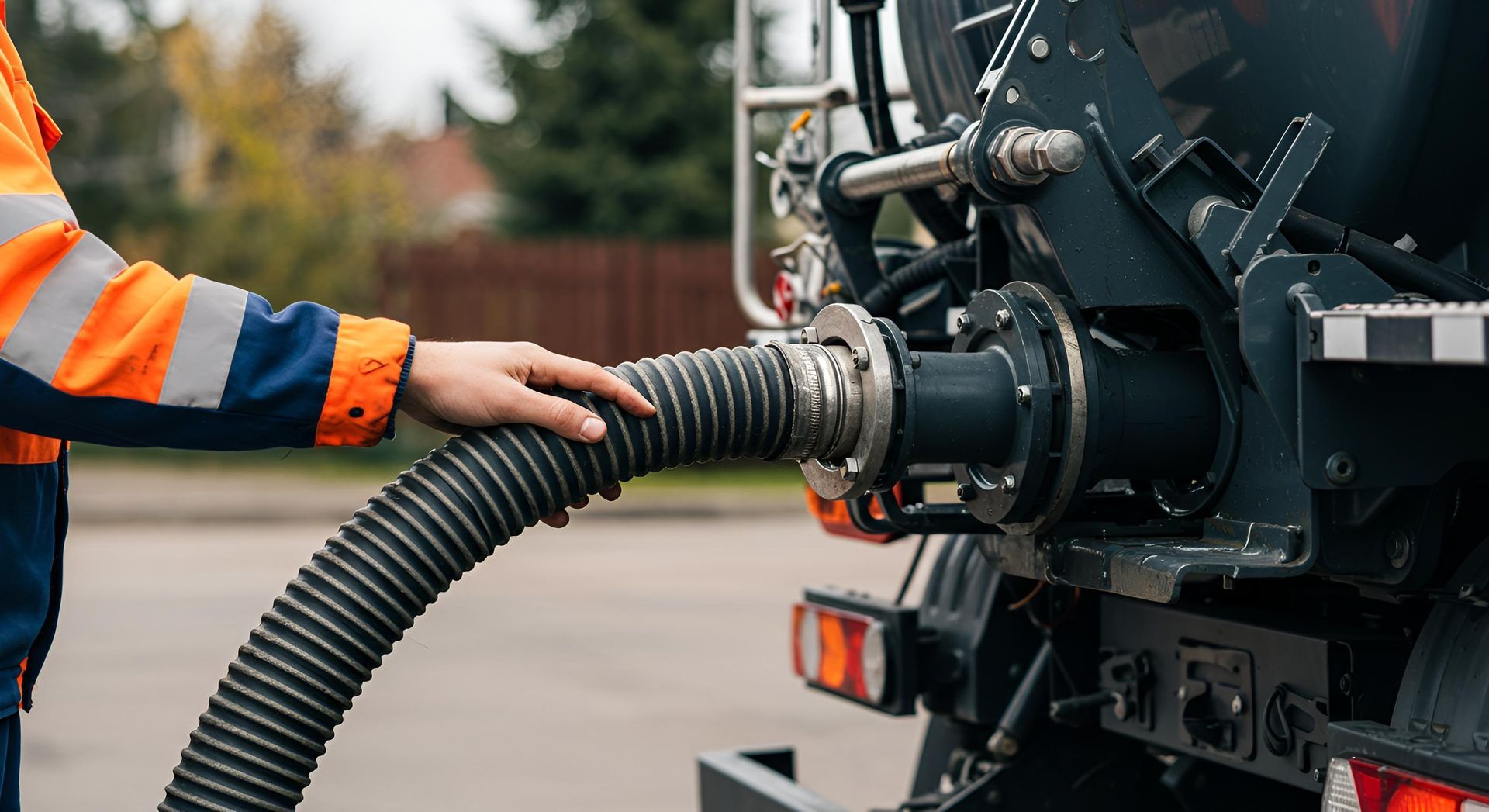
Top Uses for a Hydrovac Truck Townsville In the rapidly developing landscape of North Queensland, the demand for precision, safety, and efficiency in construction and maintenance has never been higher. As Townsville continues to expand through residential hubs like Kirwan and industrial sectors near the Port, traditional excavation methods are increasingly being replaced by more sophisticated technology. One of the most versatile tools currently available to contractors and utility providers is the hydrovac truck. This piece of equipment, managed by Supreme Plumbing and Wastewater in Townsville , utilises high pressure water and a powerful vacuum system to remove soil and debris, offering a level of precision that mechanical excavators simply cannot match. Hydrovac trucks are preferred over mechanical excavators to avoid safety risks and repair costs associated with hitting hidden utilities. In Australia, utility strikes cost the economy significant sums annually in repairs and service disruptions, making the move toward non-destructive digging a financial and safety priority. Non-Destructive Digging and Daylighting The primary application for a hydrovac truck is non-destructive digging (NDD), a process often referred to as daylighting. This technique safely exposes buried pipes, cables, and gas lines without causing damage, making it ideal for potholing. In established suburbs like Aitkenvale , where underground infrastructure is dense and often aging, the risk of a mechanical bucket slicing through a telecommunications line or a water main is substantial. By using pressurized water to liquefy the soil and a vacuum to remove the resulting slurry, workers can “see” the utility lines clearly as they are uncovered. Daylighting is essential for pre-construction verification. Before a major project begins in high density areas like Douglas , engineers must confirm the exact depth and location of existing services. Traditional digging often relies on maps that may be outdated or inaccurate. Hydrovac excavation provides a physical confirmation that prevents the need for an emergency plumber Townsville to attend a site due to a preventable water main burst. Slot Trenching for Utility Installation When new infrastructure is required in restricted or complex areas, slot trenching is the preferred method. This process cuts precise, narrow trenches for utility installations, reducing surface disruption. In a busy commercial environment like the Townsville CBD or a retail precinct, minimising the footprint of an excavation site is critical for maintaining traffic flow and business access. Traditional excavators require a wide berth to operate, often resulting in excessive surface damage that requires costly restoration. A hydrovac truck can cut a trench only a few inches wide, which is perfect for installing fibre optic cables, small diameter pipes, or electrical conduits. This level of accuracy is particularly beneficial for commercial plumbing Townsville projects where new lines must be integrated into existing, crowded utility corridors. The ability to dig narrow slots also means less material is removed, which reduces the cost of disposal and backfilling. Specialised Excavation in Unique Environments While Townsville is known for its tropical heat rather than its frost, the technology integrated into modern hydrovac units offers versatility for varied environments. Hydrovac trucks use onboard heaters to cut through frost and frozen ground, extending the construction season in regions where cold weather traditionally halts progress. While the local ground does not freeze, this heating capability can be repurposed for industrial applications where heavy greases or hardened sludge must be liquefied for removal. For property owners managing older systems, this high pressure heated water can assist in the initial stages of a septic tank replacement if the surrounding soil has become compacted or contaminated with hardened fats. The ability to adjust water temperature and pressure makes the hydrovac a highly adaptable tool for both construction and maintenance across the diverse soil types found in North Ward and Bohle Plains . Debris and Sludge Removal from Hard to Reach Areas Hydrovac trucks are not only for digging; they are also exceptional for cleaning and maintenance. The vacuum system suctions mud, rocks, and debris from hard to reach areas like manholes, catch basins, and pits. During the monsoonal season in North Queensland, Townsville’s stormwater infrastructure is under immense pressure. Silt and debris can quickly clog catch basins, leading to localised flooding. This suction capability is also vital for the maintenance of on-site sewage facilities. A professional septic pump out Townsville service often utilises vacuum technology to ensure that all solids and sludge are removed from a tank. Whether it is a residential septic system in Mount Louisa or a large commercial interceptor, the power of a hydrovac vacuum ensures a thorough clean that prevents system failure and foul odours. Remote Excavation and Confined Space Safety Safety is a primary driver in the adoption of hydrovac technology. The equipment is capable of removing material from distances or deep depths, reducing the need for workers to enter confined spaces. In many traditional excavation projects, workers must enter a trench to manually clear soil away from sensitive lines. This exposes them to the risk of trench collapse or contact with hazardous materials. With a hydrovac truck, the operator can stand at a safe distance or on the surface while the vacuum hose does the work. This is an essential feature for commercial plumbing maintenance Townsville tasks involving deep sewer pits or industrial vats. By keeping personnel out of the “danger zone,” businesses can maintain higher safety standards and comply with the strict requirements of the Queensland Government WorkSafe guidelines. Industrial Cleaning in Mining and Energy Townsville serves as a major gateway for the North West Minerals Province, meaning industrial cleaning is a frequent requirement for local businesses. Hydrovac trucks clean oil spills, clean tanks, and remove hazardous materials in industries like mining and oil and gas. The non-sparking nature of water based excavation makes it a much safer choice in volatile environments where heavy machinery could potentially cause a fire or explosion. Furthermore, the waste collected by a hydrovac truck is contained within a debris tank, preventing site contamination. This is critical when dealing with hazardous sludge or oil. For businesses requiring regular septic pump out cleaning , the ability of the truck to manage varied waste types ensures a comprehensive solution for liquid waste management that meets Townsville City Council trade waste standards. Piling Hole Excavation for Structural Integrity Foundation work requires extreme precision to ensure the structural integrity of a building or utility pole. Hydrovac technology digs precise, clean holes for utility poles, pilings, and foundations. Unlike a mechanical auger, which can “walk” or shift during the digging process, a hydrovac operator can maintain a perfectly vertical and accurately sized hole. This precision is used frequently in residential areas for fence posts and signage, as well as in major infrastructure projects for light poles and telecommunications towers. In the cyclone prone environment of Townsville, ensuring that pilings are set at the correct depth and in undisturbed soil is vital for wind resistance. This attention to detail is the same standard applied to roof maintenance repairs Townsville wide, where structural security is the top priority. Key Features of Hydrovac Services Non-Destructive Precision Digging Our hydrovac services utilise pressurised water to liquefy soil, allowing for the safe exposure of underground utilities without the risk of mechanical damage. Enhanced Site Safety and Compliance By allowing for remote excavation, we eliminate the need for workers to enter high risk confined spaces, ensuring a safer work environment for all personnel. Versatile Waste and Sludge Management The powerful vacuum system is capable of removing a wide variety of materials, from wet slurry to dry debris, making it ideal for everything from industrial tank cleaning to septic system services .
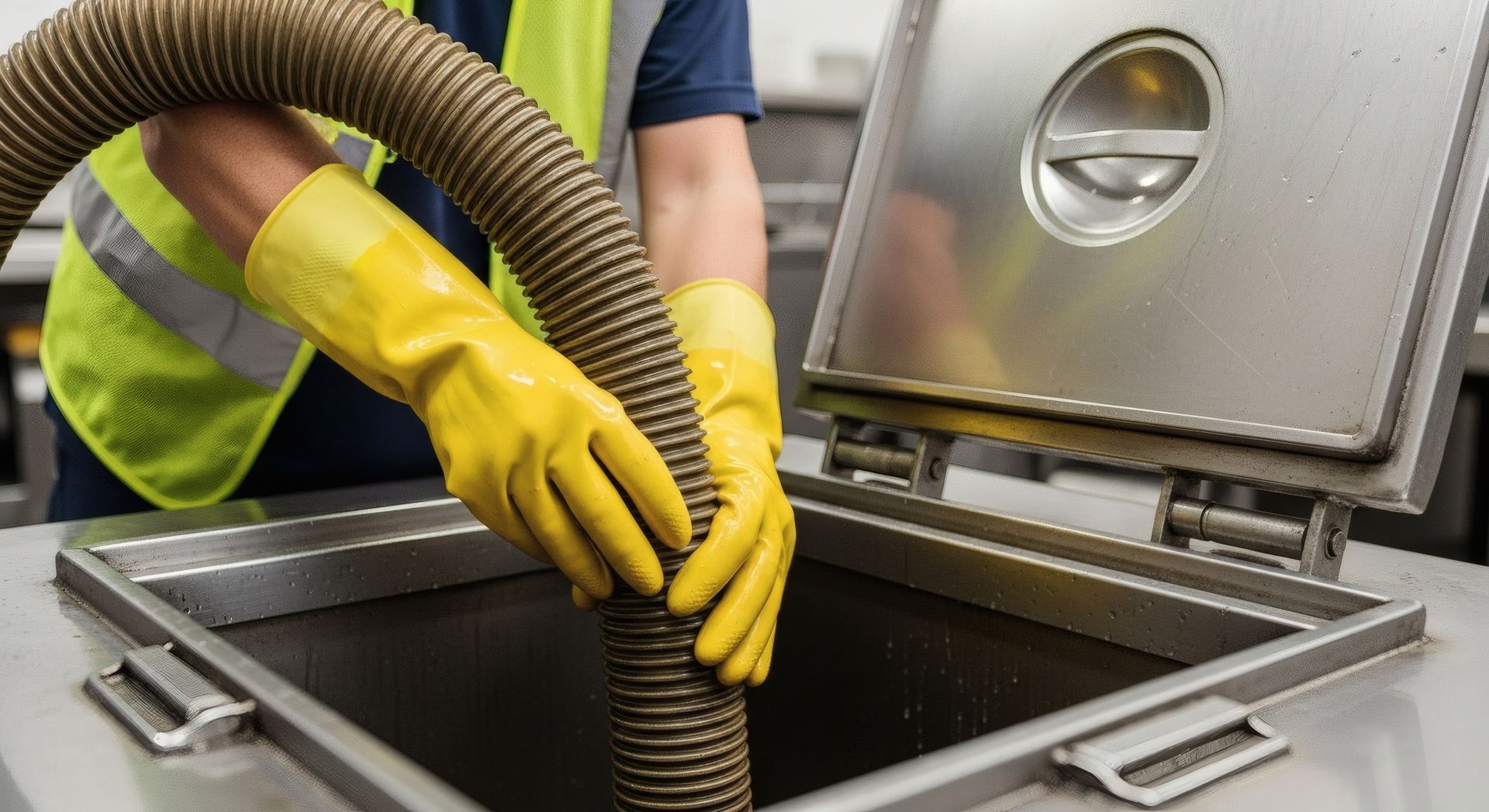
For Plumbers in Townsville , managing a commercial kitchen in North Queensland presents a unique set of challenges, particularly when it comes to waste management and drainage. For hospitality business owners, grease trap cleaning is a fundamental task that ensures operational continuity and environmental compliance. Fats, oils, and grease, often referred to as FOG, can wreak havoc on plumbing systems if not intercepted and removed correctly. Without a regular maintenance programme, these substances solidify in pipes, leading to catastrophic blockages that can shut down a business during its busiest hours. This guide explores the critical nature of grease trap maintenance and why professional intervention is necessary for Townsville businesses. The Importance of Commercial Grease Trap Management In high volume environments like shopping centres, restaurants, and cafes, the volume of waste produced is substantial. Grease traps serve as the primary defence against FOG entering the municipal sewerage system. Townsville City Council maintains strict regulations regarding trade waste, as untreated grease can cause significant damage to public infrastructure and local ecosystems. For large scale operations like shopping centres, the failure of a single grease interceptor can impact multiple tenancies. A blockage in a shared line can result in a total shutdown of food courts and retail dining areas. This highlights the need for specialised emergency plumbers commercial plumbing Townsville residents can rely on when things go wrong. By choosing a team that understands the “Golden Hour” of plumbing emergencies, businesses can mitigate the risk of structural rot and mould growth caused by overflows. How Often to Clean a Grease Trap Determining the correct frequency for grease trap cleaning is vital for both hygiene and cost management. For most commercial kitchens, these systems should typically be cleaned every 1 to 3 months. A general rule followed by industry professionals is to perform a clean when grease or sludge occupies 25% to 75% of the total volume. The specific needs of a venue depend on its output. High usage or fast food venues may require more frequent attention, often as often as every 6 weeks, whereas lower volume kitchens might extend their schedule to every 4 to 6 months. It is also important to consider the life expectancy of the equipment. Mechanical grease traps generally have a lifespan of 5 years, while gravity grease traps can last up to 10 years before they begin to deteriorate and require a septic tank replacement or upgrade. Signs Your Grease Trap is Full Homeowners and business operators should be aware of the warning signs that indicate a full interceptor. Slow drainage in sinks is often the first indicator that the system is reaching its capacity. As FOG accumulates, it restricts the flow of water, leading to gurgling pipes and backup issues. Foul odours are another unmistakable sign. Decomposing food particles and stagnant grease produce noxious gases that can permeate a dining area, driving away customers and creating an unhygienic workspace. If you notice grease leaks or overflows around the interceptor, the system is already at a critical failure point. Other signs include unusual noises from the drainage lines and increased pest activity, as the accumulated organic matter attracts cockroaches and rodents. If these issues occur, a specialised septic pump out cleaning service may be required to clear the system. Costs of Grease Trap Maintenance Budgeting for grease trap cleaning is a standard part of commercial kitchen overheads. The cost of a clean is influenced by several factors, including the size of the trap, the ease of access for vacuum equipment, and the frequency of the service. On average, a standard commercial clean in Townsville can range from a few hundred dollars to over a thousand for larger interceptors. While maintenance has a cost, the price of neglect is significantly higher. A burst pipe or a complete sewage backup can result in thousands of dollars in lost stock, repairs, and sanitisation fees. Businesses should also consider the environmental impact. According to data from various Australian utility providers, FOG is responsible for up to 75% of all sewer blockages, leading to expensive overflows that threaten local waterways. To ensure you are getting the best value, always request a fixed quote for roof leak repairs or drainage services to avoid surprise fees. Serving the Townsville Business Community We provide rapid response grease trap cleaning across several key commercial hubs. These areas benefit from a local team that understands the specific challenges of the North Queensland climate and urban infrastructure. Kirwan: As the city’s largest residential and commercial suburb, Kirwan contains a high density of cafes and shopping strips requiring versatile plumbing knowledge. Aitkenvale: Home to major shopping centres, this suburb requires consistent trade waste management to prevent large scale infrastructure failures. Douglas: With a high concentration of student housing and food outlets, Douglas sees heavy use of wastewater systems that need regular auditing. North Ward: The coastal environment in North Ward means salt air can accelerate the corrosion of outdoor fixtures, making regular checks essential. Townsville City: The CBD is a primary zone for hospitality, where rapid containment of drainage issues is vital to maintain business continuity. By booking a regular roof plumbing Townsville or grease trap inspection, businesses in these suburbs can ensure their operations remain compliant with the Townsville City Council trade waste guidelines . Key Features of Supreme Grease Trap Management Precision Pumping and Waste Removal Our team uses high capacity vacuum trucks to ensure that every litre of grease and sludge is removed from your interceptor, restoring it to 100% capacity. Compliance and Documentation We provide the necessary waste tracking documentation required by the Queensland Government plumbing and drainage regulations to prove your business is meeting its environmental obligations. Integrated Commercial Support Beyond grease traps, we offer a full suite of services including gas fitting and backflow testing to ensure your entire facility is safe and functional.
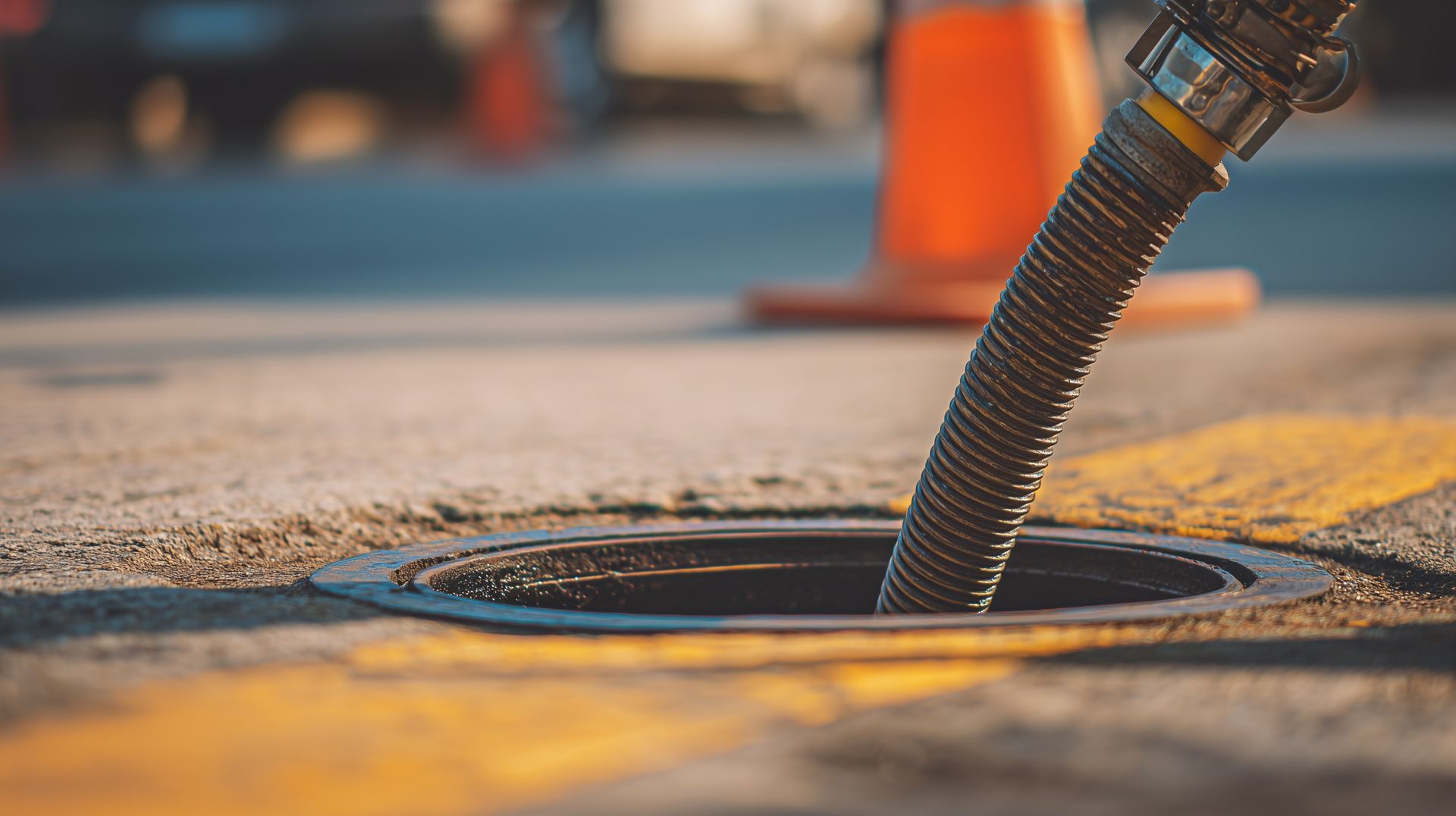
For property owners living outside the centralised municipal sewerage network in North Queensland, managing household waste requires an independent, highly regulated solution. In peri-urban and rural areas surrounding Townsville, including Alice River , Black River , Alligator Creek , and Bluewater , an On-Site Sewage Facility (OSSF) is the most critical piece of infrastructure on your land. When establishing a new build or preparing for a necessary septic tank replacement , the very first question you must address is your legal obligation regarding regulatory approvals. The short and definitive answer is yes: you absolutely require local council approval before executing any work related to the installation, modification, or replacement of a septic system in Townsville. In Queensland, plumbing and drainage activities are heavily monitored to safeguard public health, preserve local ecosystems, and protect the structural integrity of neighboring properties. Attempting to bypass these approvals is not only a major breach of local law but can also result in catastrophic structural, environmental, and financial consequences for your property. Local City Council Regulations: Townsville City Council All plumbing and drainage work across Queensland is strictly categorised by state government legislative requirements into permit work, notifiable work, minor work, or unregulated work. The installation or structural alteration of an on-site sewage facility is explicitly classified as permit work . This means that the project cannot legally begin until the Townsville City Council (TCC) Hydraulics Unit formally assesses and issues a compliance permit for the proposed infrastructure. [Wastewater Generation] -> [Form 1 Application & LCA Design] -> [TCC Permit Issued] -> [Licensed Installation] -> [Mandatory Council Inspections] -> [Final Certificate Issued] To secure this permit, a licensed drainage professional or property owner must submit “Form 1 – Permit work application for plumbing, drainage and on-site sewerage work,” alongside a comprehensive site drainage design plan. TCC does not design these systems or draft drainage plans themselves; it is entirely the owner’s responsibility to engage a certified practitioner. Once an application is lodged, the Hydraulics Unit reviews the hydraulic and organic loading metrics to ensure compliance with technical standards. Crucially, all permit plumbing and drainage works that will reside below ground must undergo mandatory testing and inspection by council officers before the earth is backfilled. It is the responsible licensed plumber’s statutory obligation to book these milestone assessments to ensure the facility meets local codes. Queensland State Regulations and Codes While the local city council acts as the immediate assessing authority, their regulatory framework is anchored in overarching Queensland State legislation. The core legal instrument governing these works is the Plumbing and Drainage Act 2018. Under this Act, anyone designing, installing, or maintaining an OSSF must hold the appropriate occupational licensing issued by the Queensland Building and Construction Commission (QBCC). Statutory Compliance Note: According to state guidelines, any person who prepares plans or engineering specifications for an on-site domestic wastewater system exceeding $1,100 in value must hold a specific QBCC contractor licence, such as a hydraulic services design or site classifier licence. Installing or maintaining an OSSF without an active, endorsed trade licence is a severe offense under state law. Additionally, all systems must satisfy the strict performance criteria outlined in the Queensland Plumbing and Wastewater Code (QPW Code). The QPW Code dictates the technical standards for effluent quality, system design life (which must be a minimum of 15 years), and chief executive product certifications. If you opt for an advanced secondary treatment system, such as an Aerated Wastewater Treatment System (AWTS) that recycles water for surface irrigation, the specific manufacturing plant model must hold an active treatment plant approval from the state department. These multi-layered regulations ensure that wastewater does not compromise the community’s water security or safety protocols. Determining Site Layout: Where Best to Install Your Septic Tank? Deciding on the geographic placement of your new system is a sophisticated engineering task that must consider several site limitations, environmental variables, and future land uses. You cannot simply bury a tank wherever it seems convenient; the placement must minimize contamination risks and prevent long-term structural failures. 1. Soil Capability and Absorption Before designing a system layout, a certified professional must perform a Land Capability Assessment (LCA). This assessment analyses the soil profile to calculate the design loading and irrigation absorption rates. Properties with heavy clay profiles restrict natural water movement, requiring significantly larger, specialised absorption trenches or evapo-transpiration beds. Conversely, sandy soils allow water to flow too quickly, which may necessitate secondary treatment systems to prevent pathogens from traveling downward into local groundwater tables unaltered. 2. Mandatory Boundary Setback Distances The QPW Code sets non-negotiable setback distances that separate your treatment plant and land application areas from domestic spaces and physical boundaries. Designers must position the facility away from: Habitable rooms, patios, and outdoor entertaining zones to manage potential odour or vector issues. Physical property boundaries to prevent runoff or effluent crossover into neighboring allotments. In-ground swimming pools, retaining walls, and driving paths to eliminate structural pressure risks. Natural watercourses, stormwater catch basins, and underground drinking water bores to avoid environmental contamination. 3. Topography, Overland Flow, and Flood Zones The natural lay of the land heavily influences system placement. Installers must evaluate overland water flow paths and official municipal flood maps. If a septic tank or its corresponding drainage field is situated in a low-lying depressions or flood-prone zone, heavy tropical monsoonal rain can inundate the system. This can cause groundwater to infiltrate the tank, back up into the house’s internal fixtures, or scour the soil trenches, causing untreated effluent to float across the surface of your lawn. Ensuring the system is positioned on an elevated, well-draining section of the block is a vital design consideration. Caring for Your System: Expected Ongoing Maintenance Once your compliance certificates are finalized by council inspectors, the legal and operational responsibility shifts entirely to the property owner. A septic tank is a living biological ecosystem that relies on colonies of anaerobic and aerobic bacteria to liquefy organic solids and neutralize waste safely. Proper care ensures you avoid premature failures or the need for an emergency plumber Townsville crisis response if things back up inside the home. Scheduled Pumping and De-sludging Over years of continuous domestic use, heavy, un-decomposed solids settle at the bottom of the tank to form a thick sludge layer. If this sludge is neglected, it accumulates to a level where it escapes the primary tank chamber and flows directly into your land application trenches, permanently blocking the soil pores and destroying the absorption field. To prevent this irreversible damage, properties must engage a licensed specialist for a professional septic pump out and cleaning every three to five years, depending on your household size and active tank capacity. Following this service, your contractor must provide a council-compliant report with valid waste tracking data to verify you have met your legal property obligations. Protecting the Biological Balance Homeowners must be highly disciplined regarding what enters their wastewater lines. Flushing harsh chemical cleaners, heavy bleaches, anti-bacterial agents, or commercial solvents down your toilets kills the beneficial bacteria colonies instantly, causing the tank to fail and emit severe foul odours. Additionally, you must never flush non-biodegradable items like sanitary napkins, wet wipes, or paper towels, as they cannot break down naturally and will cause immediate structural pipe obstructions. For properties managing high-volume culinary operations, implementing robust grease traps is critical to prevent cooking fats from solidifying inside the drainage lines. Maintaining the Disposal Area The land application zone or irrigation field must be respected as an active plumbing utility zone. You should never drive heavy vehicles, park machinery, or erect temporary structures over the disposal trenches, as excessive weight will collapse underground plastic arches, break distribution pipes, and compact the surrounding soil. Furthermore, keep the area clear of large, deep-rooted trees, as invasive roots can rupture tank seams and clog subsoil lines, causing systemic drainage failure across the property. Average Installation Costs and Timeframes Executing a compliant OSSF installation or complete replacement involves a multi-stage cost structure covering engineering, municipal permitting, civil excavation, and technical plumbing labor. Estimated Project Cost Breakdown The overall financial commitment varies based on your land’s specific soil constraints and the complexity of the treatment technology selected.
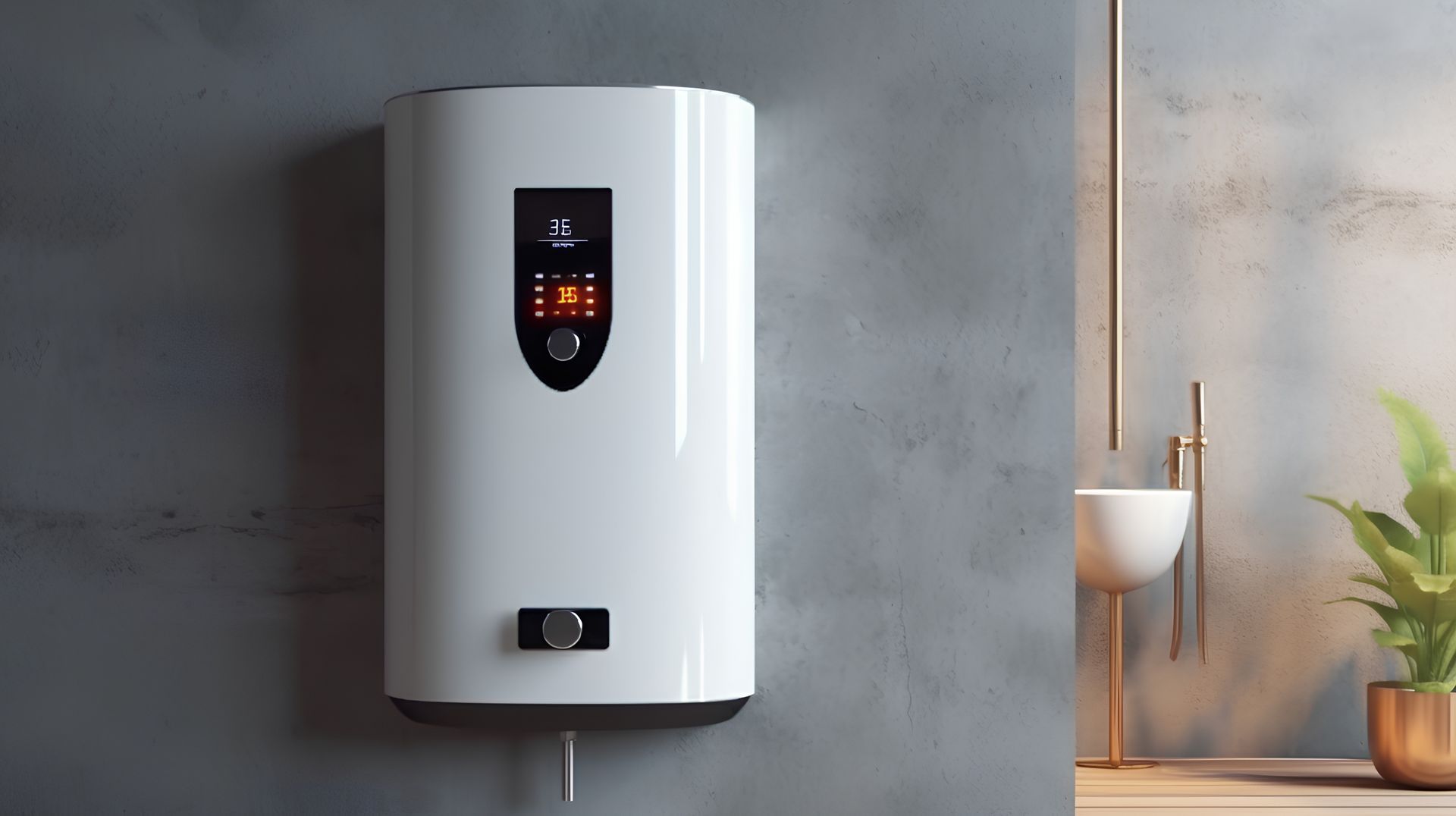
Water heating is an indispensable element of modern living, playing a central role in maintaining comfort, hygiene, and domestic efficiency. In Townsville, Australia, selecting the right utility framework requires a meticulous assessment of long term operating expenses, upfront capital, and household demand. When evaluating the marketplace, the choice fundamentally narrows down to a comparison between gas and electric hot water systems. Making the right decision involves balancing household size, daily habits, energy tariff availability, and the property’s structural capabilities. Selecting an inappropriate model can result in inflated utility statements and inconvenient disruptions to your daily routine. Maintaining a reliable, energy efficient hot water supply is vital for the smooth running of your residential or commercial property. Whether you require a routine replacement, specialised line installation, or urgent diagnostic support, our expert team is ready to deliver compliant, high quality solutions. Our plumbing technicians possess comprehensive field experience with all types of gas and electric hot water systems, ensuring optimal operational efficiency. Our comprehensive service framework covers all aspects of modern utility management, from precision roof leak repairs in Townsville to complete septic tank replacement . We apply the same level of diagnostic excellence to your domestic hot water needs as we do when managing complex emergency plumbers commercial plumbing frameworks. For properties utilising complex wastewater systems, we also provide professional septic pump out and cleaning to maintain complete site compliance. Let us help you optimise your home’s energy consumption while securing long term utility savings. According to official data from the Australian Government, water heating is the second largest segment of household energy use, typically ranging from 15% to 30% of a home’s total utility expenditure. Furthermore, it accounts for up to 25% of the total greenhouse gas emissions generated by an average domestic property, making your selection critical from both a financial and an environmental perspective. Technical Overview of Gas and Electric Hot Water Systems To understand the differences, one must look at how gas and electric hot water systems generate and distribute thermal energy. Electric storage models utilise one or two internal immersion elements to heat water within an insulated storage vessel. This water is held at a constant temperature, ready for instantaneous distribution when a fixture is opened. Conversely, gas infrastructure relies on a burner assembly, typically fuelled by natural gas or liquefied petroleum gas, to apply direct heat. This can take the form of a storage vessel with a continuously burning pilot light, or an instantaneous continuous flow configuration that fires up on demand as water passes through a heat exchanger network. While domestic properties focus heavily on individual utility profiles, the same principles apply within industrial frameworks. For larger enterprises, managing high-volume water heating falls under the scope of commercial plumbing specialists in Townsville who must balance immense daily demands with strict operational budgets. Pros and Cons of Electric Infrastructure Electric water heaters remain a highly prevalent choice across North Queensland suburbs due to their uncomplicated installation profile and lower initial purchase price. The primary advantage of choosing an electric model is the minimal upfront capital required, with hardware and standard replacement labor tracking significantly lower than sophisticated alternative options. They are highly versatile, require no external flue venting, and can fit into narrow interior cupboards or external alcoves with ease. When assessing the operating profiles of gas and electric hot water systems, electric options offer an accessible pathway for property investors and residential developments. However, the disadvantages of relying solely on standard grid electricity are notable. Conventional electric resistance tanks are generally more expensive to run over their operational lifespan unless coupled with a renewable generation source. If configured on a continuous tariff, the elements activate repeatedly throughout the day to combat standby heat losses, creating a continuous draw on grid power. While placing the system on an off-peak tariff can reduce running costs, it limits heating cycles to designated night intervals, requiring a larger tank size to avoid running dry during peak morning periods. Large-scale hospitality venues require heavy-duty setups, which is why commercial plumbing in Townsville experts prioritise durable thermal storage units during standard installations to support continuous high-volume requirements. Managing these limitations requires routine commercial plumbing maintenance services in Townsville to ensure system optimisation. Pros and Cons of Gas Infrastructure Gas systems offer a compelling alternative for households looking to lower their long term utility metrics while maintaining access to fast, reliable thermal recovery. One of the principal benefits of gas hot water systems is their rapid recovery rate, allowing storage vessels to reheat much faster than their electric equivalents. Instantaneous gas configurations take this efficiency a step further by eliminating standby thermal losses entirely, heating water only as it transits the heat exchanger network. This provides an endless supply of hot water, making it exceptionally well suited for larger families or multi-bathroom households. The primary disadvantage is the reliance on a direct gas network or regular LPG cylinder deliveries. If a property lacks an existing mains gas meter, the cost to extend supply lines can be prohibitive. Our specialised commercial plumbers team in Townsville can assess supply lines before configuring high-capacity gas burner arrays. Additionally, gas storage heaters are particularly inefficient in colder zones due to high standby losses occurring through the central flue column where insulation is mechanically impossible. In demanding environments, the complexity of gas lines and industrial burner arrays means that complex installations must be overseen by certified commercial plumbers in Townsville operators who possess the necessary advanced trade endorsements. Energy Consumption and Split Solar Panel Systems As energy prices fluctuate, integrating renewable options with gas and electric hot water systems has become a popular pathway toward long term financial sustainability. A highly efficient layout involves combining a standard electric storage tank with a split solar panel system or a dedicated solar photovoltaic array. In an active split solar hot water system, the solar collectors are positioned directly on the roof structure while the main storage cylinder remains grounded in a convenient external location. A low wattage circulation pump moves water between the rooftop collectors and the storage tank based on temperature differentials, using the sun’s abundant energy to heat the water to optimal temperatures. This layout can reduce hot water energy consumption by more than 80% under ideal conditions. Alternatively, modern homeowners are utilising their existing rooftop solar PV panels alongside standard electric storage water heaters by installing an intelligent solar diverter. This device monitors active export and import metrics at the main switchboard, diverting excess solar energy into the electric heating element instead of sending it back to the grid. This transforms the standard electric tank into a highly economical thermal battery, storing surplus green energy as hot water for later use. Commercial facilities that operate round-the-clock often execute comprehensive commercial plumbing maintenance in Townsville audits to evaluate their solar thermal arrays and backup storage configurations. For properties utilising complex plumbing designs or managing extensive structural elements, integrating solar water systems requires collaborative expertise from professionals who specialise in advanced roof plumbing configurations in Townsville to ensure roof structures remain uncompromised during panel placement. Popular Hot Water Brands in Australia The Australian hot water landscape features several prominent manufacturing brands that cater to both residential and commercial sectors. When looking across the marketplace for gas and electric hot water systems, several prominent manufacturing brands stand out for their build quality and performance warranties. Rheem stands as one of the oldest and most trusted names in the country, providing an extensive selection of electric storage cylinders, gas continuous flow units, and premium solar configurations. Rinnai is another market leader, highly renowned for its pioneering work in gas continuous flow technology with its iconic Infinity range, while also offering robust electric storage solutions. Dux and Aquamax provide heavy-duty, locally engineered storage tanks designed specifically to withstand the harsh mineral content found in many regional water supplies. Vulcan offers a streamlined, budget-friendly line of highly durable electric and gas storage options that are widely favored by property investors and developers for their reliable mechanical longevity. When localised disruptions hit corporate office blocks, getting quick access to emergency commercial plumbing infrastructure prevents prolonged water shut-offs and protects critical commercial equipment. Facilities managers frequently rely on urgent support frameworks like emergency commercial plumbing systems to restore high-capacity hot water units from these major brands swiftly. Common Maintenance Issues and Vulnerabilities Every hot water architecture faces specific mechanical risks over its lifespan. The long term reliability of gas and electric hot water systems relies extensively on clean fuel and power inputs. Electric storage units are highly vulnerable to element burnout caused by sediment buildup or hard water scale crystallization around the heating sheath. Thermostat failures can also cause systems to overheat or stop heating entirely. Gas setups frequently suffer from thermocouple degradation, blocked pilot injectors, or electronic ignition failures caused by insect ingress or environmental corrosion. Industrial kitchens experiencing severe blockages or backflow failures along with hot water dropouts often call for specialised commercial plumbing interventions in Townsville. For both types, the pressure relief and tempering valves require regular auditing to ensure safe operating pressures and temperatures are maintained. Ignoring a minor valve leak can quickly cause extensive damage to surrounding cabinetry or structural flooring. As highlighted in our comprehensive guide to The Emergency Plumbing Golden Hour , identifying a leak early and executing rapid containment steps can save property owners from devastating structural rot and expensive insurance claims. Average Costs and Timeframes for Repairs or Replacement Budgeting for hot water management requires a clear view of market realities. The initial investment required for gas and electric hot water systems varies based on mechanical complexity. According to national industry pricing reports, installing a hot water system in Townsville, Australia typically costs between $1,000 and $7,000 in total, depending heavily on the chosen technology, tank capacity, and site accessibility. Standard electric storage replacements represent the lowest initial financial barrier, typically tracking between $1,000 and $4,000 installed. Gas storage or continuous flow installations generally range from $1,500 to $4,000, with costs increasing if new gas lines or ventilation compliance upgrades are required. High efficiency heat pumps and complete split solar setups occupy the premium end of the scale, often requiring an investment between $3,000 and $9,000 before federal small-scale technology certificates or state specific rebates are applied. *All prices are Estimates Only and Require a Proper Quote form Supreme Plumbing and Wastewater Minor mechanical repairs, such as replacing a heating element or a faulty valve, are generally completed within one to two hours by a licensed technician. A straightforward like-for-like hot water unit replacement in the same location can usually be finalised within three to six hours, as the core electrical, plumbing, and gas infrastructure is already established. However, complex conversions, such as switching from an internal electric storage tank to an external continuous flow gas system, can take a full day or more due to extensive pipe work modification and electrical re-routing. For complex business properties, managing thermal upgrades falls within standard commercial plumbing maintenance routines in Townsville to prevent surprise operational shut-downs. Ultimately, evaluating the financial metrics of gas and electric hot water systems helps families allocate their budgets effectively. Because individual site configurations can vary significantly, we highly recommend that you contact us directly for an accurate assessment and a tailored fixed quote for your property. Key Features of Hot Water Infrastructure Electric Energy Redirection: Integrating intelligent solar PV diverters allows a standard electric storage tank to absorb surplus rooftop solar power, operating as an efficient thermal battery to reduce grid dependence. Gas On Demand Efficiency: Continuous flow gas heaters completely eliminate standby energy losses by heating water only when a hot fixture is actively opened, providing a constant stream of hot water. Active Split Solar Capture: Split solar hot water layouts isolate the collection panels on the roof space while storing the water at ground level, optimizing domestic aesthetics while capturing abundant natural energy.